Roof Inspection Brisbane

Why Brisbane Locals Choose MHI Roofing
Restoring and protecting Brisbane roofs with proven techniques, premium materials, and local expertise. We deliver long-lasting results designed to withstand Queensland’s harsh climate, helping extend the life of your roof while improving the safety, performance, and appearance of your home.
20+ Years of Experience
With over two decades in the industry, we deliver proven roofing solutions backed by hands-on experience and consistent, high-quality workmanship.
QBCC Licensed & Fully Insured
Our team is fully licensed and insured, giving you complete confidence that your roofing project is completed safely, professionally – to Australian standards.
10 Year WarrantY
For your ultimate peace of mind, we offer a 10-year warranty on workmanship and materials, on all products, on every completed roofing job.
Honest Assessments & Competitive Pricing
We provide clear, upfront advice and fair pricing, ensuring you only pay for what you need with no hidden surprises.
Master Builders Certified
As certified members of Master Builders Queensland, we uphold strict industry standards, and deliver workmanship you can trust.
High Quality Materials
We believe in using the best of the best in roofing materials. Our preferred choice of suppliers include industry leading brands such as Stratco, Colorbond, Bluescope Steel and Lysaght
Complete Guide to Professional Roof Inspection Services in Brisbane
If you're a Brisbane homeowner wondering whether your roof is actually in good shape, a professional roof inspection is the most reliable way to find out. A roof inspection Brisbane service from MHI Roofing is a thorough, on-site assessment carried out by a licensed roofing specialist. It's not a quick glance from the driveway, and it's not something you can replicate yourself with a pair of binoculars and a sunny afternoon.
When we inspect a Brisbane home, we're looking at structural integrity, roofing materials, flashing, drainage, ventilation, storm damage, and early warning signs of wear that could turn into costly repairs if they're left unchecked.
A standard roof inspection typically covers visible roof surfaces, tile roofs, metal sheeting, ridge capping, flashings, roof penetrations, gutters, downpipes, valleys, drainage performance, and accessible roof void indicators where relevant. It does not generally include full structural engineering, asbestos removal, hidden ceiling defects unrelated to the roof, or invasive testing unless those services are specifically requested.
This guide is written for Brisbane homeowners, property owners, and buyers who want a practical, plain-English way to understand the condition of their roof before buying, selling, repairing, or budgeting for maintenance.
By the end of this guide, you'll have a clear understanding of:
- The difference between a visual roof inspection and a detailed technical inspection using thermal imaging, moisture meters, and drone technology.
- When to schedule roof inspections in Brisbane's climate, including before and after storm season.
- How to choose qualified roof inspection companies, including why QBCC licensing and insurance matter.
- How to prepare your property so an inspection can be completed safely and efficiently.
- How to use a roof inspection report to make informed decisions about repairs, maintenance, insurance claims, or
roof replacement.
Understanding Professional Roof Inspections
A professional roof inspection is a systematic assessment of your roof as a complete system. That includes the roof coverings, structural support elements, drainage paths, seals, flashings, penetrations, and any visible signs of movement or deterioration. The purpose is to understand the roof's current condition, identify minor roof issues before they develop into major problems, estimate the remaining lifespan of the roof, and determine whether a minor repair, more extensive work, or a full roof replacement is the right path forward.
For Brisbane homeowners, regular inspections are more than routine maintenance. Brisbane's subtropical climate brings extreme heat, heavy rainfall, and persistent humidity that can accelerate roof deterioration faster than in cooler or drier parts of Australia. The combination of scorching summer temperatures, heavy seasonal downpours, and high moisture levels puts constant pressure on roofing materials, which is why roof inspection in Brisbane needs to account for local conditions rather than applying a one-size-fits-all approach.
From the ground, a homeowner might spot a missing tile, a water stain on the ceiling, blocked gutters, or obvious rust. But a professional roof inspection goes well beyond that. We assess structural concerns, compromised flashings, undetected leaks, mould growth, hidden dampness, insulation issues, and early signs of roof movement that are simply not visible without the right access, equipment, and experience. Early detection of roof damage prevents minor issues from escalating into expensive repairs or complete roof replacement, which can save homeowners a considerable amount of money over time.
Visual Roof Inspections
A visual roof inspection is the most common type of assessment. The inspector examines the roof from ground level, from a ladder, and where it's safe to do so, by walking on the roof surface. During a visual inspection, we look for cracked tiles, missing tiles, loose ridge capping, rusted metal roofing, damaged sealants, blocked gutters, sagging sections, storm damage, and other visible signs that the roof needs attention.
Visual inspections are excellent for identifying surface-level problems. Metal roofs are examined for rust spots, loose or overtightened screws, hail punctures, and coating breakdown. Tile roofs are checked for cracked or displaced tiles, bedding failures, and deteriorating pointing around ridges.
Brisbane homes primarily feature metal sheeting or concrete and terracotta tiles, and each type requires its own inspection approach. Metal roofing expands and contracts with heat, which can stress fixings and flashings over time. Tile roofs can crack, shift, or lose pointing gradually, particularly after a run of very hot weather. A visual inspection does have limitations. It cannot always detect hidden moisture beneath membranes, timber rot inside framing, leaks forming behind flashings, termite damage, or insulation defects above ceilings. Internal roof spaces are assessed for water stains, rot, and mould from hidden leaks, as well as ventilation performance, but some issues require technical equipment or specialist access to identify properly.
Comprehensive Technical Inspections
A comprehensive technical inspection builds on visual methods by using specialist equipment to find problems that are not visible to the naked eye.
At MHI Roofing, this can include thermal imaging, drone photography, moisture meter readings, and closer assessment of sarking, battens, roof framing, ventilation, and insulation where access allows.
Thermal imaging helps identify moisture patterns or insulation gaps by detecting temperature differences across roof and ceiling surfaces. Moisture meters allow us to confirm whether a suspect area is actively damp rather than just guessing based on surface appearance. Drone technology gives us safe and detailed access to steep, high, fragile, or hard-to-reach roof areas without unnecessary foot traffic, which is especially useful around solar panels, valleys, skylights, chimneys, and multi-storey homes.
Technical inspections are particularly valuable for older roofs, pre-purchase property checks, insurance claim preparation, and post-storm roof condition assessments. Brisbane's climate exposes roofs to intense UV, heavy rainfall, humidity, and the full force of storm season every year, so the inspection method needs to match the level of risk and the history of the property.
Brisbane Climate Factors That Demand Regular Inspections
Once you understand the types of inspections available, the next important step is understanding why roof inspection in Brisbane requires a genuinely local approach. A thorough roof inspection in Brisbane accounts for severe summer storms, intense UV exposure, and heavy downpours. These conditions make regular inspections essential for the long-term health and performance of your roof.
Extreme Heat and UV Degradation
Brisbane summers regularly bring scorching conditions, with temperatures exceeding 35 degrees Celsius during hot periods and roof surfaces becoming significantly hotter under direct sun. In Brisbane, roofs are subjected to intense UV exposure that can degrade roofing materials over time, making regular inspections essential to maintain their integrity.
UV exposure can break down protective coatings, fade paint, dry out sealants, embrittle roof components, and weaken the surface layers of both metal sheeting and tile roofs. On metal roofing, repeated thermal expansion and contraction can loosen screws, stress flashings, and create movement around penetrations. On concrete or terracotta tiles, heat and UV contribute to surface wear, cracked bedding, failed pointing, and gradual loss of weatherproofing.
During a thorough inspection, we pay close attention to paint chalking, blistering, flaking, loose fixings, ridge capping condition, sealant failure, and areas around solar panels where heat patterns and access limitations can conceal minor issues. Regular roof inspections can also help improve a home's energy efficiency by identifying gaps and damaged insulation that allow conditioned air to escape, potentially reducing energy bills by 10 to 20 percent.
Storm Season Damage Risks
Brisbane's storm season typically runs from October to March, bringing heavy rain, hail, wind, lightning, and sudden intense downpours. Severe storms can dislodge tiles, lift metal sheets, damage gutters, puncture metal roofing with hail, and force water into weak points around valleys, flashings, skylights, vents, and roof penetrations.
Storm damage is not always obvious from the ground. A roof can appear completely intact while lifted flashings, cracked tiles, hail bruising, or loosened fasteners are already allowing water ingress that will show up later as ceiling stains or internal dampness. That is exactly why additional inspections are recommended after severe weather events, particularly when there are water stains inside the home, debris on the roof, gutter overflow, or any visible movement in roofing materials.
Insurance companies often require clear documentation before they'll consider approving a claim. A detailed report with photographs, dates, location mapping, and severity notes gives Brisbane homeowners much stronger evidence when lodging a claim after hail, wind, or heavy rain damage. Regular roof inspections also create a maintenance history that helps demonstrate that identified damage was storm-related rather than the result of long-term neglect.
Humidity and Moisture Issues
Brisbane's average humidity commonly sits between 50 and 70 percent, and that moisture can affect roof cavities, timber framing, insulation, fasteners, underlay, and ventilation performance. Moisture can enter through rain penetration, condensation, poor airflow, blocked drainage, or failed seals. Left untreated, it can lead to mould growth, timber rot, corrosion, damaged insulation, and structural concerns that are far more expensive to address than the original leak.
Brisbane experiences heavy rainfall that can overwhelm weak drainage systems, which is why we carefully inspect gutters, valleys, and downpipe performance during every inspection. Gutters should be clear of debris to prevent water backing up, especially during storm season when blockages can cause rapid overflow and force water under roofing materials. Roof inspectors also check for rust holes in gutters, sagging sections, and inadequate fall that can cause water to pool rather than drain.
Hidden moisture detection often requires professional equipment. Thermal imaging can reveal temperature differences associated with damp materials, while moisture meters verify suspected wet areas in timber, insulation zones, or internal roof spaces. These local climate pressures are why our inspection methodology combines visual checks, safety planning, technical tools, and practical reporting, rather than relying on a quick surface-level look.
Our Professional Roof Inspection Process
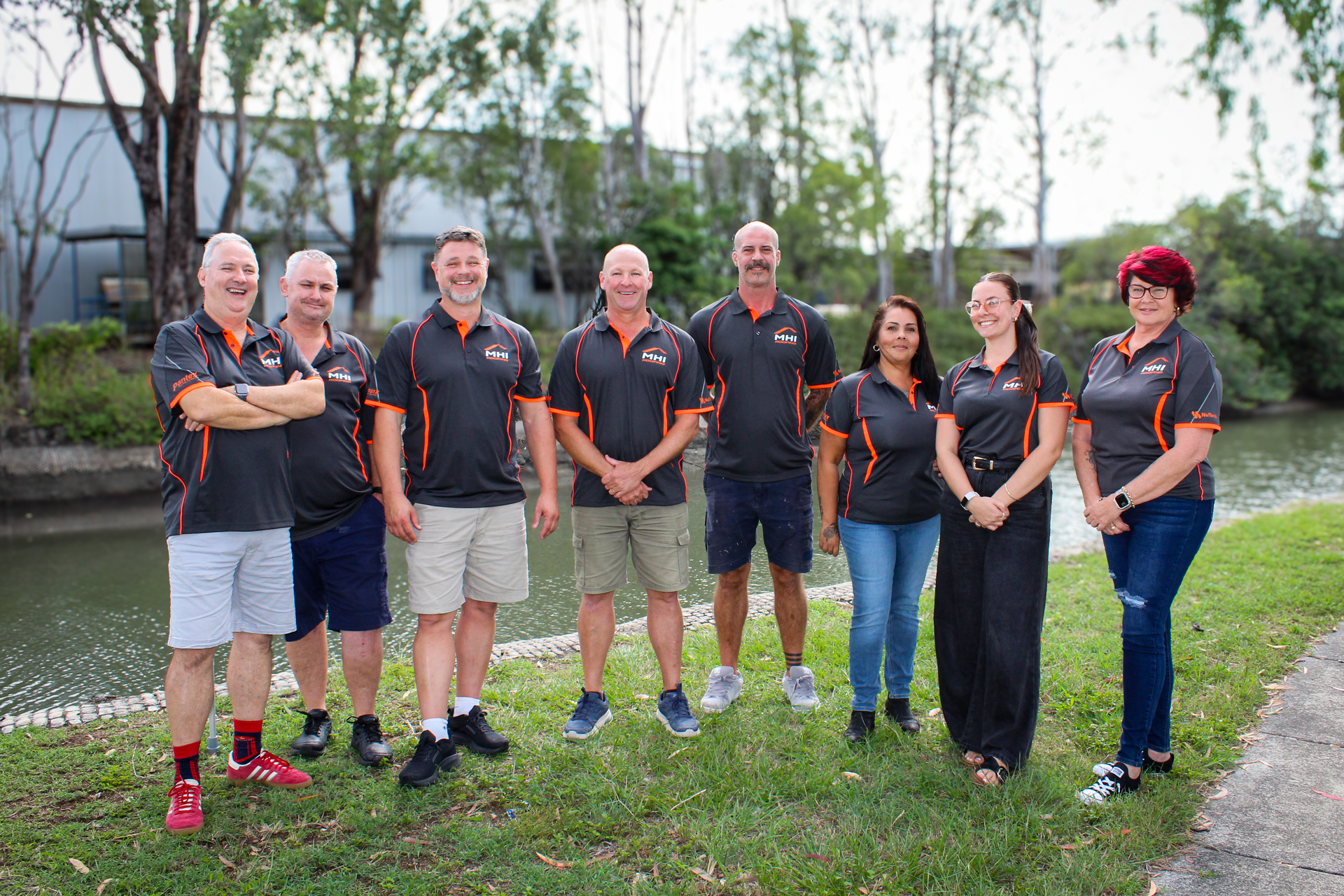
At MHI Roofing, our roof inspection process is designed to give Brisbane homeowners a clear and practical understanding of their roof's condition. We combine QBCC licensing, proper safety equipment, extensive local experience, and a thorough approach so you receive a roof inspection report that helps you make informed decisions about maintenance, repairs, insurance, or roof replacement.
Pre-Inspection Assessment and Safety Setup
Before we climb or access any roof, we assess the property layout, roof height, slope, access points, surrounding trees, power lines, ground conditions, and the weather forecast. Steep-pitched roofs, wet surfaces, two-storey buildings, fragile materials, and nearby electrical hazards all influence how we approach the inspection safely. Our setup generally includes:
01
Property perimeter assessment
We check access around the home, identify safe ladder locations, note any obstacles, and record visible damage from ground level before going further.
02
Equipment setup
We prepare ladders, harnesses, fall protection, non-slip footwear, drone equipment, cameras, and moisture detection tools as required for the specific property.
03
Safety gear verification
We confirm the inspection can be completed safely and without exposing our team or your property to unnecessary risk.
04
Initial documentation
We record the address, visible roof type, approximate dimensions, roof pitch, number of roof faces, access points, any known previous maintenance, and early photographs.
Licensed professionals at MHI Roofing conduct inspections in accordance with QBCC standards. The Queensland Building and Construction Commission and the National Construction Code establish strict guidelines for roof work in Queensland, and we inspect with those compliance expectations in mind when assessing any repair pathways.
Comprehensive Roof Examination
The main inspection covers the roof as a complete system, not just the visible surface layer. We inspect structural elements where accessible, including rafters, trusses, battens, roof alignment, sagging, deformation, and any signs of movement. If we identify structural integrity concerns, we explain whether further specialist assessment is needed and what that process would involve.
We then examine the roofing materials in detail. For tile roofs, we look for cracked, loose, displaced, porous, or missing tiles, along with bedding and pointing failures that can allow water entry. For metal sheeting, we check for corrosion, loose screws, overtightened fixings, damaged washers, lifted sheets, hail punctures, coating breakdown, and rust around laps or penetrations.
Flashings are a major focus of every inspection. Flashings seal the critical gaps where the roof meets structures like chimneys, skylights, parapet walls, and penetrations, and we check carefully for lifted edges, cracked or missing sealants, and areas where water could be finding its way in. We also inspect valleys, ridge capping, vents, gutters, downpipes, and drainage falls.
Ventilation and internal indicators are also reviewed. Poor ventilation can trap heat and moisture inside the roof cavity, which damages insulation, encourages mould growth, and increases energy bills. During accessible internal checks, we look for water stains, damp smells, rot, mould, insulation deterioration, and signs of undetected leaks that haven't yet shown through to the ceiling below.
Technology-Enhanced Detection Methods
Technology helps us confirm what the eye alone cannot always establish. Thermal imaging is useful for identifying possible moisture ingress, insulation gaps, and temperature differences across roof and ceiling surfaces. It's especially helpful after periods of heat exposure or when wet materials are holding or releasing heat differently from the dry materials around them.
Moisture meters allow us to test suspected damp areas rather than guessing. Readings from these tools help confirm whether stains, timber, underlay, or ceiling areas are actively damp, previously wet, or likely affected by an ongoing slow leak. Getting this right matters because misdiagnosing a leak can lead to unnecessary repair costs or missed damage that continues to worsen.
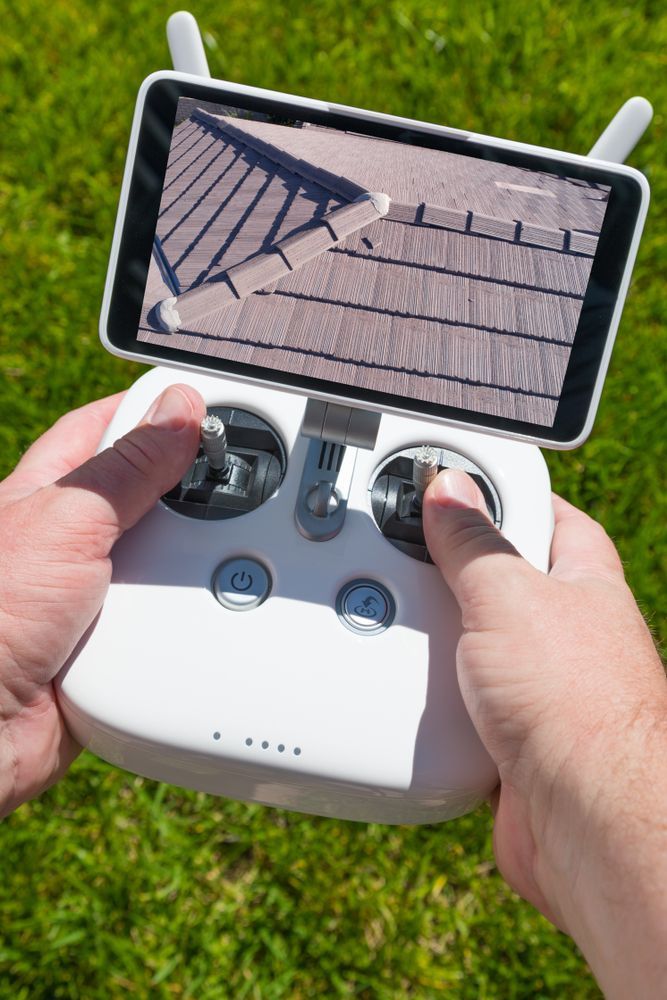
Drone technology gives us a safer and more detailed way to document hard-to-access roof areas. We use drone photography when roof pitch, height, fragile materials, solar panels, or access limitations make walking the roof unsafe or inefficient. Drone images are also valuable within a detailed roof condition report because they clearly show damage locations for insurance assessors, buyers, sellers, and property managers.
For older homes where asbestos-containing roofing materials may be present, we explain any suspected limitations clearly and recommend the appropriate licensed asbestos inspection or removal pathway rather than treating it as standard roofing material.

Inspection Costs and Service Comparison
Pricing in the Brisbane market varies between providers, but transparency helps homeowners plan and budget properly. The cost of a roof inspection in Brisbane typically ranges from $200 to $500+ for a standard visual inspection. More comprehensive inspections using advanced technology generally range from $500 to $900+ or more.
Factors that influence the cost of a roof inspection include the size of the roof, the type of roofing material, the complexity of the roof design, access conditions, and the level of technology used during the assessment. A small, single-storey, easily accessible roof will generally cost less than a large, steep, multi-level home with complex valleys, solar panels, fragile tiles, or extensive storm damage.
| Inspection Type | Best Suited For | Typical Inclusions | Typical Cost |
|---|---|---|---|
| Standard visual roof inspection | Routine maintenance and visible concerns | Ground, ladder, and safe roof surface checks; gutters; tiles or metal sheeting; flashings; basic report | $200 to $500+ |
| Detailed technical inspection | Older roofs, leaks, pre-purchase checks, post-storm assessment | Visual inspection plus drone technology, thermal imaging, moisture readings, and detailed report | $500 to $900+ or more |
| Targeted storm or insurance inspection | Insurance claim support after severe storms | Photographic evidence, mapped damage, cause notes, repair recommendations, claim-ready documentation | Varies by roof size and complexity |
A full roof replacement in Brisbane can cost between $15,000 and $40,000+, which puts the cost of regular inspections, typically a few hundred dollars, into a very different perspective. It's a worthwhile investment to extend the life of the roof and avoid major repair bills.
Common Roof Inspection Challenges and Our Solutions
Brisbane homeowners often call us after discovering water stains on the ceiling, missing tiles, overflowing gutters, or visible storm damage. But the most expensive problems are usually the ones that stay hidden the longest. At MHI Roofing, our role is to inspect safely, identify the real cause of any issues, and give you a practical and honest path forward.
Access and Safety Concerns
Steep roofs, two-storey homes, fragile tile roofs, wet surfaces, limited side access, overhanging trees, power lines, and solar panels can all make it genuinely unsafe for homeowners to try inspecting their own roof. Even a small slip on a roof can cause serious injury or damage the roofing materials beneath your feet.
Our fully insured team handles access and safety using professional equipment, thorough site assessment, fall protection, ladders, harnesses, and safe-work procedures. We do not inspect in unsafe weather conditions, and we strongly discourage homeowners from walking on their own roof. We complete every inspection with QBCC licensing expectations and the practical experience needed to protect both people and property.
Hidden Damage Detection
A roof leak doesn't always appear directly below its source. Water can travel along battens, rafters, sarking, insulation, or ceiling linings before it ever shows up as a visible stain on your ceiling. Hidden damage can also develop after hail, wind uplift, failed sealants, poor ventilation, or gradual gutter back-up that eventually saturates the structure.
Our approach combines visual evidence with technical confirmation. We use thermal imaging, moisture meters, drone photography, and weather-history context to detect minor issues before they become major problems. This is especially valuable for older roofs, roofs already showing signs of wear, and homes affected by severe weather events.
Insurance Documentation Requirements
Insurance assessors typically need more than a verbal opinion from the homeowner. They generally require dated photographs, a detailed inspection report, cause notes, location references, visible damage evidence, and clear repair recommendations before they'll consider progressing an insurance claim.
Our roof inspection report is designed with this process in mind. We document damage with photographs, identify affected areas, describe severity, and separate likely storm damage from wear-related maintenance issues where possible. Our focus isn't just to identify the problem but to give Brisbane homeowners clear, organised evidence they can use when dealing with insurers, buyers, sellers, or property managers.
Next Steps
Professional roof inspections are essential in Brisbane because extreme heat, intense UV exposure, heavy rainfall, humidity, and storm season all accelerate roof wear. A roof can look perfectly fine from the street while hidden moisture, loose fixings, cracked tiles, failing flashings, blocked gutters, or insulation problems are already affecting its integrity below the surface.
If you're not sure when your roof was last professionally checked, the safest next step is to book a roof inspection with MHI Roofing. Our recommendation for Brisbane homes is to have your roof inspected at least once per year, with additional checks arranged after severe storms, hail, high winds, or any unexplained water stains inside the home.
To prepare for your inspection:
- Clear access around the property where possible.
- Move vehicles or outdoor items away from ladder access points.
- Trim overhanging branches if it's safe and practical to do so.
- Make a note of any water stains, known leak locations, mould growth, or previous repairs.
- Review your insurance policy so you understand what documentation is required after storm damage.
- Contact MHI Roofing for an obligation-free quote if you need
roof repairs, maintenance services,
roof replacement advice, or a detailed roof condition report.
FAQs about Roof Inspections in Brisbane
How often should Brisbane homes have roof inspections?
We recommend Brisbane homeowners have their roof inspected at least once per year to catch developing issues before they worsen. The best times for scheduled inspections are spring (September to October) to prepare your roof before storm season, and autumn (March to April) to assess any damage after the highest-risk period.
Don't wait for the next scheduled inspection if you notice leaks, water stains, missing tiles, mould growth, gutter overflow, or any damage after a severe storm.
What does a professional roof inspection cost in Brisbane?
A standard visual inspection in Brisbane typically ranges from $200 to $500. More comprehensive inspections using thermal imaging, drone technology, and moisture testing can range from $500 to $900 or more.
Costs vary depending on roof size, roofing material type, design complexity, access conditions, height, pitch, and the level of technology required during the assessment.
Can I inspect my own roof instead of hiring MHI Roofing?
You can check for obvious issues from the ground, such as missing tiles, gutter overflow, water stains, or visible sagging. However, we strongly advise against walking on your own roof. Falls, fragile materials, steep pitches, and electrical hazards near rooflines create serious safety risks.
A professional roof inspection uses proper safety equipment, trained assessment methods, and produces a report that can support maintenance planning, property decisions, and insurance documentation.
What qualifications should Brisbane roof inspectors have?
Brisbane roof inspectors should be licensed, insured, experienced with local roofing materials and conditions, and familiar with QBCC standards. The Queensland Building and Construction Commission and the National Construction Code establish strict guidelines for roofing work in Queensland, and licensed professionals must conduct inspections in accordance with those requirements.
Be cautious with any offer of a free roof inspection that doesn't include clear licensing information, proper documentation, or a defined scope of what is actually being assessed.
Will a roof inspection help with insurance claims?
Yes. A detailed roof inspection report can help support an insurance claim by documenting storm damage, hail impact, lifted flashings, missing tiles, damaged gutters, moisture entry, and other relevant defects with photographic evidence.
Insurers generally want clear descriptions of the cause, location, and severity of damage. Our reports are prepared specifically to make that process straightforward for Brisbane homeowners.
How long does a typical roof inspection take?
A standard visual inspection for a typical Brisbane home generally takes between one and two hours, depending on access, roof size, pitch, and overall condition. A detailed inspection using drone technology, thermal imaging, moisture meters, and internal checks may take longer.
Larger homes, complex roof designs, older roofs, and properties with storm damage typically require more time to inspect thoroughly.
What happens if you find problems during the inspection?
If we find minor issues, we explain the likely cause, the urgency of the repair, and the available options. A minor repair might include replacing cracked tiles, resealing flashings, securing loose metal sheets, clearing drainage points, or repairing ridge capping.
If we find major problems, structural concerns, or signs that a new roof may be more cost-effective than ongoing repairs, we'll explain the options clearly and honestly. We can also provide an obligation-free quote for repairs, maintenance, or roof replacement.
When is the best time of year for roof inspections in Brisbane?
Spring, from September to October, is ideal for getting your roof ready before storm season. Autumn, from March to April, is ideal for checking for damage after the highest-risk storm and heavy rainfall period.
That said, don't wait for the next scheduled inspection if you notice leaks, mould, water stains, missing tiles, gutter overflow, or any post-storm damage. These should be addressed promptly.
Can roof inspections detect termite damage?
A roof inspection can sometimes identify visible signs of timber damage, moisture conditions, or structural concerns that may be associated with pest activity. However, a roof inspection is not a full termite inspection unless a licensed pest specialist is engaged.
If we identify suspicious timber damage during an inspection, we'll recommend further assessment by a qualified pest inspector or structural specialist.
How do I prepare my property for a professional inspection?
Clear pathways around the home, unlock any gates we'll need access through, move vehicles away from ladder access points, secure your pets, and let us know about any known leaks, previous repairs, or ceiling stains. If you have roof plans, insurance correspondence, or previous inspection reports, have those ready to share.
You don't need to climb onto the roof or prepare any safety equipment yourself. MHI Roofing brings everything needed to carry out the inspection safely and deliver you a clear, useful roof inspection report.
Trusted by Brisbane Locals — Backed by Real Reviews
After extensive research for credible builders, MHI were recommended by my local Facebook Group and the recommendations were spot on. High quality workmanship, great communication, neat and tidy and great customer service. I would recommend these guys for sure!
We just had our roof restored in Brisbane and couldn't be happier with the result. A huge shout-out to David, who was absolutely fantastic, he was hardworking, professional, and took the time to explain every step of the process clearly. It’s rare to find someone so respectful and thorough. The whole process and communication from the
MHI team has been great, and the house looks amazing. Highly recommend!
After several unsatisfactory repairs, we found MHI Roofing. The staff and crew were professional and answered all our inquiries and questions. They also gave professional advice on future projects with our building. Overall we are very satisfied with MHI and especially the finish of our roof which has given it a modern look and has definitely added value to the property. Highly recommend MHI for your roof repairs and restoration.
I couldn’t be happier with my experience working with the team at
MHI! From start to finish, the entire process was seamless, professional and genuinely enjoyable. Every single person — from the design team, to accounts, to the crew on site — communicated clearly and made me feel supported every step of the way. Their advice on colour schemes was spot on, the patio design exceeded my expectations, and their thoughtful suggestions around water flow showed their attention to detail and expertise. Nothing felt too hard, and their commitment to quality really stood out. Most importantly, they delivered exactly what they promised — on time and to a fantastic standard. I absolutely love the end result and, for the first time in a long time, I have complete peace of mind. I highly recommend MHI to anyone looking for a team that truly cares about getting it right!