Industrial Roofing Brisbane

Why Brisbane Locals Choose MHI Roofing
Restoring and protecting Brisbane roofs with proven techniques, premium materials, and local expertise. We deliver long-lasting results designed to withstand Queensland’s harsh climate, helping extend the life of your roof while improving the safety, performance, and appearance of your home.
20+ Years of Experience
With over two decades in the industry, we deliver proven roofing solutions backed by hands-on experience and consistent, high-quality workmanship.
QBCC Licensed & Fully Insured
Our team is fully licensed and insured, giving you complete confidence that your roofing project is completed safely, professionally – to Australian standards.
10 Year WarrantY
For your ultimate peace of mind, we offer a 10-year warranty on workmanship and materials, on all products, on every completed roofing job.
Honest Assessments & Competitive Pricing
We provide clear, upfront advice and fair pricing, ensuring you only pay for what you need with no hidden surprises.
Master Builders Certified
As certified members of Master Builders Queensland, we uphold strict industry standards, and deliver workmanship you can trust.
High Quality Materials
We believe in using the best of the best in roofing materials. Our preferred choice of suppliers include industry leading brands such as Stratco, Colorbond, Bluescope Steel and Lysaght
Complete Guide to Industrial Roof Solutions in Brisbane
When you run a Brisbane facility, the roof above your head is carrying more weight than you might think. We're not just talking about the physical load of metal sheeting, gutters, HVAC units, and solar infrastructure. We mean the weight of protecting your stock, your staff, your equipment, and your biggest business asset: the building itself.
At MHI Roofing, we provide industrial roofing solutions built for Brisbane's conditions. From sweltering summer heat and heavy storm seasons to high-volume rainfall and relentless UV, our systems are designed to perform where it matters most. Our services span the full scope; roofing installation, roof repairs, roof replacement, commercial roof restoration, roof insulation, roof ventilation, gutter replacement, drainage upgrades, re-roofing, and planned maintenance.
We work with factories, warehouses, logistics facilities, commercial complexes, shopping centres, and large commercial properties across Brisbane, South Brisbane, Fortitude Valley, Kenmore Hills, and throughout South East Queensland, including the Gold Coast and Sunshine Coast. We typically focus on industrial and commercial roofing rather than small residential roofing, heritage roofing, or interior works outside the roof envelope, unless those works form part of a broader commercial roofing project.
In this guide, we cover:
- The main industrial roofing systems used in Brisbane and when each suits the site
- How metal roofing, Colorbond roof systems, Zincalume, membranes, and roof insulation perform in local conditions
- What the commercial roofing installation and roof replacement process involves
- Common Brisbane roofing challenges including UV, storms, high-volume rainfall, structural loads, and asbestos removal
- How to choose roofing contractors who meet safety regulations, QBCC licensing, insurance, and warranty requirements
Understanding Industrial Roofing Systems
Industrial roofing covers the design, supply, installation, maintenance, repair, and restoration of roof systems for large-scale commercial buildings. We're talking factories, warehouses, cold storage sites, logistics centres, manufacturing plants, and industrial sheds. In Brisbane, industrial roofing focuses on energy efficiency, durability, and compliance with safety and building regulations because the roof is protecting more than just the building shell.
Industrial roofing is a different animal to residential or standard commercial roofing. It involves larger spans, heavier drainage loads, more penetrations, stricter access control, and regulated safety frameworks. Often the facility continues operating while work is underway. A small tile roof or standard shopfront job may be relatively straightforward, but an industrial roof may need to carry HVAC units, ventilation systems, skylights, walkways, solar infrastructure, smoke vents, and heavy-duty box guttering.
That's why industrial roofing projects involve complex logistics, tight deadlines, and regulated safety frameworks. Local licensed experts need to deliver tailored assessments that balance operational needs, compliance requirements, and budget from the very start.
Metal Roofing Solutions
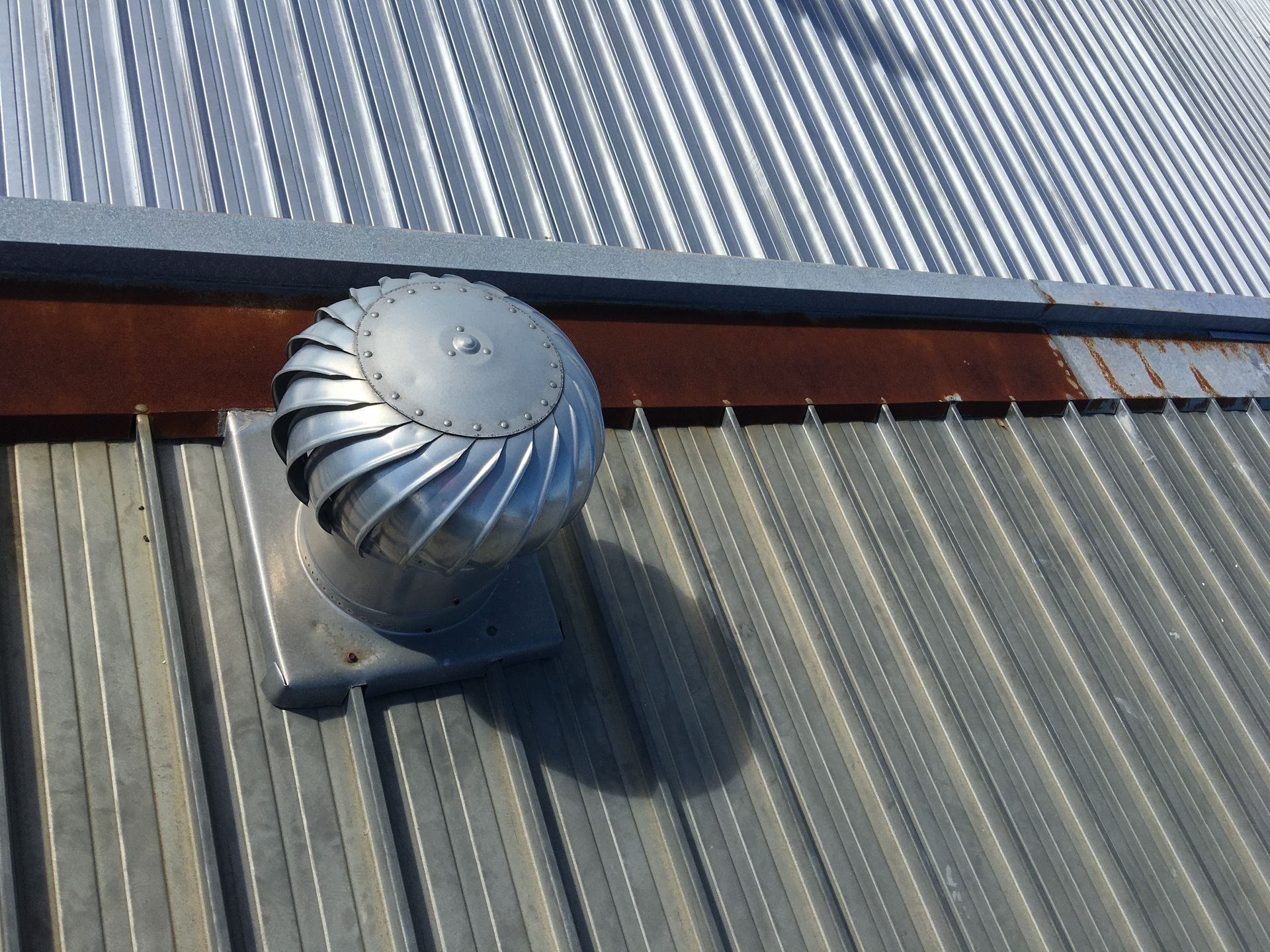
Metal roofing is one of the most versatile, durable, and hardwearing roofing materials available for commercial properties across South East Queensland. Colorbond and Zincalume are the most widely used materials in commercial metal roofing, known for their strength and longevity. When a Brisbane facility needs a new metal roof with strong weather resistance and long-term performance, these are typically the systems we reach for first.
Colorbond steel uses a coated steel base with protective finishes designed to handle UV, heat, and weather. Zincalume uses a metallic-coated steel finish that combines aluminium, zinc, and silicon for strong corrosion resistance. Aluminium roofing offers a lightweight alternative that resists salt spray and rust, making it a solid option for near-coastal industrial zones around the Port of Brisbane and the Bayside.
Choosing the right industrial roofing materials means weighing up initial costs, structural loads, and environmental factors. Proximity to salt air, exposure to intense UV, roof pitch, wind uplift, and the type of business operating under the roof all play a part. Brisbane's intense UV and heavy rainfall make it essential to work with contractors who are experienced in high-grade metal roofing, particularly where a roof must handle summer heat, stormwater volume, hail risk, and repeated expansion and contraction. With the right materials, fixings, flashings, insulation, and maintenance program, commercial metal roofing delivers superior performance for warehouses, factories, and commercial complexes across our region.
Membrane and Built-Up Roofing
Membrane roofing systems are commonly used on flat or low-pitch industrial roof areas where water tightness, flexibility, and careful detailing around penetrations are critical. These systems can include single-ply membranes, liquid-applied membranes, torch-on membranes, or built-up systems made from multiple waterproofing layers.
The choice between membrane systems and metal roofing comes down to roof design. A large pitched warehouse roof may suit Colorbond or Zincalume, while a low-slope plant deck, box gutter interface, or roof section with heavy mechanical equipment may call for a membrane solution. Built-up roofing can be effective where multiple waterproofing layers are needed, but it requires proper drainage, substrate preparation, and ongoing inspection to stay performing.
At MHI Roofing, we assess the whole picture before recommending any single system.
Structural integrity, building use, stormwater design, roof insulation, access requirements, safety regulations, and the unique demands of the site all feed into the recommendation. Industrial roofing is rarely about choosing a material from a brochure. It's about finding the right solution for the building in front of us.
Industrial Roofing Applications in Brisbane
Once the main roofing systems are understood, the next step is matching them to the building. Industrial roofing Brisbane projects vary widely because a warehouse in Wacol, a manufacturing facility near the Port of Brisbane, and a cold storage site in South Brisbane all place very different demands on the roof.
We use our initial consultation and thorough inspection to identify the building's operational needs, drainage risks, roof ventilation requirements, insulation targets, and any roof repairs or roof restoration work needed before recommending tailored solutions. Commercial roofing services in Brisbane typically include installation, maintenance, and inspection of roofing systems designed for commercial properties, and that's exactly the scope we work across.
Warehouse and Distribution Centres
Warehouse and distribution centre roofs usually require large-span roofing. The roof needs to cover wide internal areas with minimal support columns so forklifts, racking, loading docks, and vehicle movements can operate without interruption. We design and install roofing solutions that support these commercial roofing needs while helping facility managers reduce downtime and protect stored goods.
For warehouses, roof profile, purlin spacing, fixings, flashings, and pitch all affect structural integrity and drainage performance. Heavy-duty box guttering and downpipe systems are sized to manage high-volume storm runoff, which is essential in Brisbane's wet season. Staging plans and weatherproofing strategies keep industrial facilities operational during roofing projects, especially where stock, staff, or machinery cannot be exposed at any point.
A thorough roof inspection is an important starting point for any commercial building. Our experienced team inspects the existing roof to assess its condition and identify potential issues before a single sheet is removed. That means checking for corrosion, loose fasteners, blocked gutters, damaged flashings, inadequate roof insulation, and any signs that the old roof is approaching the end of its service life.
Manufacturing Facilities
Manufacturing facilities often need roofing systems that can manage heat, moisture, fumes, dust, vibration, roof ventilation, and equipment loads. Compared with a standard warehouse, a factory roof may need more penetrations for exhaust systems, commercial ventilation systems, mechanical plant, skylights, and safe access walkways.
Every roofing project we take on at a manufacturing site accounts for production schedules, safety zones, and minimal disruption to business operations. We work efficiently around plant shutdown windows where possible, using staging, temporary weatherproofing, and clear communication so the facility can continue operating safely.
Brisbane industrial facilities face severe storm conditions, which means contractors must adhere to specific design and installation standards. Safety is non-negotiable on any industrial roofing site. WorkSafe Queensland requirements for working at heights apply, site-specific Safe Work Method Statements are required for high-risk work, and all contractors on site must carry $20 million in Public Liability Insurance and WorkCover QLD insurance. We hold the right insurances and documentation because our clients need peace of mind, not surprises.
Storage and Logistics Buildings
Storage and logistics buildings can have very different roofing requirements depending on what is stored inside. General storage typically prioritises dry internal conditions, high-volume drainage, durable cladding, and a low-maintenance commercial roofing system. Cold storage needs roof insulation, vapour control, condensation management, and consistent thermal performance built into the roof design from day one.
Roof restoration plays a vital role in maintaining the integrity and longevity of commercial buildings. When we're called in to assess an older storage facility, a comprehensive roof inspection is always the first step. It lets us identify problem areas, assess structural integrity, and put together a tailored restoration plan using quality materials that will protect the building well into the future.
Older industrial sites also carry the risk of an asbestos roof. Safe asbestos removal is critical and must be managed by licensed professionals. If an old asbestos roof needs to be removed and replaced, the project must be planned with strict containment, licensed asbestos removal, compliant disposal, and a safe, well-staged transition to the new roofing system.
MHI Roofing Installation Process
A successful industrial roofing project starts well before the first roof sheet is removed. Our experienced team follows a practical, structured process that protects the site, manages risk, keeps communication clear, and helps clients make informed decisions about roofing materials, budget, timeframes, and long-term performance.
The roof replacement process typically moves through several stages: inspection, preparation, removal of old materials, installation of the new roofing system, and final quality checks. Each stage matters, and each one builds on the last.
Industrial Roof Installation Steps
Industrial roof installation is required when a roof has reached the end of its service life, suffered storm damage, requires major roof repairs, needs improved energy efficiency, or no longer meets operational or compliance requirements.
01
Site assessment and structural analysis
We begin with a thorough inspection of the roof, gutters, flashings, penetrations, purlins, supports, drainage points, and access conditions. We assess structural integrity, weather damage, corrosion, leaks, insulation gaps, ventilation issues, and whether the roof is suitable for restoration, roof replacement, or a new roof installation.
02
Design and material selection
We recommend roofing materials based on the facility's use, budget, roof pitch, structural loads, energy efficiency goals, safety requirements, and Brisbane's conditions. Options may include Colorbond Steel, Zincalume, aluminium, membrane systems, roof insulation, roof ventilation, and heavy-duty gutter replacement. Note that Queensland's 20% Building Approval rule mandates formal Building Approval when replacing over 20% of an existing roof area.
03
Safety setup and preparation
Before work begins, we prepare access, fall protection, exclusion zones, crane or lifting plans, staging, temporary weatherproofing, and site-specific safety documentation. All contractors we engage hold an active Queensland Building and Construction Commission (QBCC) licence and are fully qualified and registered to ensure compliance with local regulations and safety standards.
Material and System Comparison
| Criterion | Colorbond Steel | Zincalume | Membrane Systems |
|---|---|---|---|
| Durability | Strong long-term option. Premium coatings resist UV, corrosion, and Brisbane's harsh weather exposure. | Durable metallic-coated steel suited to most commercial roofing applications. Coastal and industrial exposure should be factored in. | Effective on flat and low-pitch roof areas when installed over suitable substrates with correct detailing. |
| Cost | Generally higher than bare metallic options but selected for coating performance, appearance, and weather resistance. | Often more cost-effective than Colorbond while still delivering strong results for industrial clients. | Varies widely depending on substrate preparation, insulation, drainage, penetrations, and waterproofing detail. |
| Installation Time | Efficient for large spans once preparation, staging, and access are sorted. | Similar to Colorbond. Efficient sheet installation suits large industrial roofing projects. | Often slower. Surface preparation, curing, seam work, and detailing require careful sequencing. |
| Maintenance | Low to moderate. Regular inspections, cleaning, fastener checks, and prompt roof repairs keep the system performing. | Moderate. Inspect for scratches, edge corrosion, runoff staining, and environmental wear. | Higher. Check seams, ponding, UV exposure, membrane condition, and penetrations regularly. |
For most Brisbane warehouses and factories, Colorbond or Zincalume metal roofing offers the best balance of durability, competitive pricing, installation speed, and low maintenance. For flat roof sections, plant decks, and complex waterproofing areas, membrane systems may be more suitable. The right answer always depends on structural loads, drainage, roof insulation, environmental exposure, safety requirements, and how much operational disruption the business can manage.
Common Industrial Roofing Challenges and Solutions
Brisbane industrial roofs face intense UV, heavy rainfall, storm uplift, high internal heat, corrosion risks, and operational constraints. Choosing an industrial roofing contractor must involve more than getting the lowest quote. Regulatory compliance with Queensland building codes, QBCC licensing, adequate insurance, and a proven track record with commercial roofing services all matter when you're protecting a major asset.
Weather-Related Damage
Brisbane's intense UV and heavy rainfall can fade coatings, degrade sealants, overwhelm gutters, and expose weak points in flashings, penetrations, and fixings. Severe storms can create uplift pressure, hail impact, sheet movement, and sudden leaks that bring operations to a halt without warning.
The solution is to specify roofing systems designed for local exposure. That means high-grade metal roofing, compatible fasteners, robust flashing details, storm-rated installation methods, and drainage sized for heavy downpours. Heavy-duty box guttering and properly designed downpipe systems manage high-volume storm runoff across large industrial roof areas. Regular inspections catch small defects before they become expensive roof repairs.
Where a facility has an old roof, storm damage, or an old asbestos roof, we assess whether commercial roof restoration, targeted repair, or full roof replacement is the safest and most cost-effective path forward. A well-planned new roof improves weather resistance, reduces maintenance surprises, and gives commercial properties solid protection for years ahead.
Structural Load Requirements
Industrial roofs often carry far more than roof sheeting. HVAC units, solar equipment, walkways, roof ventilation, insulation blankets, skylights, exhaust systems, and maintenance traffic all add to the load. If these aren't properly assessed upfront, the roof can sag, vibrate, leak, or fail to meet compliance requirements.
Our approach is to assess structural integrity before recommending any roofing solution. We review the existing structure, roof spans, purlins, connection points, drainage loads, and future equipment plans so the roofing system can handle both current and planned use. Qualified roofing specialists need to understand the relevant Australian Standards, Queensland building codes, and WorkSafe Queensland requirements. All contractors we engage hold an active QBCC licence.
For older industrial facilities, asbestos removal can also affect structural planning. Safe asbestos removal must be managed by licensed professionals so the old materials are cleared correctly before the new roofing system goes in.
Energy Efficiency and Insulation
An uninsulated industrial roof can turn a Brisbane summer into a real problem. Extreme internal heat increases cooling loads, reduces comfort, and can affect stock quality or production output. Industrial roofing in Brisbane needs to address energy efficiency, durability, and compliance with safety and building regulations, which means roof insulation and roof ventilation should be considered early in the project rather than bolted on as an afterthought.
We improve energy efficiency by recommending roof insulation, reflective metal roofing colours, ventilation upgrades, vapour control where needed, and roofing materials suited to the specific building use. Industrial roofing includes insulation upgrades, commercial ventilation systems, and drainage solutions because the roof performs as part of the whole building envelope, not in isolation.
A cold storage site, manufacturing plant, warehouse, and shopping centre will not all need the same roof. We provide expert advice, tailored solutions, and quality products so the roof supports comfort, compliance, durability, and long-term performance across whatever the facility requires.
Next Steps
Industrial roofing projects in Brisbane need a roofing company that genuinely understands large-scale roof systems, safety regulations, weather resistance, compliance, staging, and the importance of protecting daily operations throughout the process. At MHI Roofing, we provide quality roofing services for industrial and commercial properties across South East Queensland, from the initial consultation and thorough inspection right through to roofing installation, roof restoration, roof repairs, gutter replacement, final inspection, and maintenance planning.
If you're planning a roof replacement, commercial roof restoration, new roof installation, or repairs to an old roof, here are the next steps:
- Schedule an industrial roof assessment. Get in touch with MHI Roofing so we can inspect the roof, identify problem areas, assess structural integrity, review access, and work out whether restoration, repair, or a new roofing system is the right move for your facility.
- Review system options with our team. We'll walk you through suitable roofing systems including Colorbond options, Zincalume, aluminium, membrane systems, roof insulation, drainage upgrades, and ventilation improvements, and explain the pros and cons of each for your site.
- Get a detailed quote and timeline. We provide a clear scope for the roofing project, including materials, safety planning, staging, weatherproofing, warranties, and the expected impact on business operations. No surprises, no fine print.
FAQs about Industrial Roofing in Brisbane
What industrial roofing services does MHI Roofing provide in Brisbane?
MHI Roofing provides a full range of industrial and commercial roofing services across Brisbane and South East Queensland, including roof installation, roof repairs, roof replacement, commercial roof restoration, re-roofing, roof insulation, roof ventilation, gutter replacement, and drainage upgrades. We work with warehouses, factories, logistics facilities, manufacturing plants, cold storage sites, shopping centres, and large commercial properties from Fortitude Valley and South Brisbane through to the Gold Coast and Sunshine Coast.
What is the best roofing material for a Brisbane warehouse or factory?
For most Brisbane warehouses and factories, Colorbond steel or Zincalume metal roofing is the go-to choice because both handle the region's intense UV, heavy rainfall, hail risk, and thermal expansion really well. Colorbond offers premium protective coatings and a range of colours, while Zincalume is often a more cost-effective option that still delivers strong corrosion resistance and long-term durability.
How much does industrial roofing cost in Brisbane?
Industrial roofing costs in Brisbane vary widely depending on roof size, material choice, structural condition, access requirements, and whether the project involves roof restoration, a full roof replacement, or asbestos removal. As a rough guide, commercial metal roofing with Colorbond or Zincalume typically ranges from $25 to $70+ per square metre for supply and installation, while membrane systems, insulation upgrades, and gutter replacement will add to the overall project cost. MHI Roofing provides detailed, site-specific quotes so you know exactly what you're getting before work begins.
Do industrial roofing contractors in Brisbane need to be licensed?
Yes, all roofing contractors working on commercial and industrial properties in Queensland must hold an active licence with the Queensland Building and Construction Commission (QBCC). Contractors must also carry $20 million in Public Liability Insurance and WorkCover QLD insurance.
How often should a commercial or industrial roof in Brisbane be inspected?
Most industrial and commercial roofs in Brisbane should be professionally inspected at least once a year, with additional checks recommended after major storm events, particularly during Queensland's wet season when heavy rainfall, hail, and high winds can cause uplift damage, blocked box guttering, failing flashings, and hidden leaks. Regular roof inspections help catch small problems early, extend the service life of the roofing system, and reduce the risk of costly emergency repairs or unplanned downtime for the facility.
Trusted by Brisbane Locals — Backed by Real Reviews
After extensive research for credible builders, MHI were recommended by my local Facebook Group and the recommendations were spot on. High quality workmanship, great communication, neat and tidy and great customer service. I would recommend these guys for sure!
We just had our roof restored in Brisbane and couldn't be happier with the result. A huge shout-out to David, who was absolutely fantastic, he was hardworking, professional, and took the time to explain every step of the process clearly. It’s rare to find someone so respectful and thorough. The whole process and communication from the
MHI team has been great, and the house looks amazing. Highly recommend!
After several unsatisfactory repairs, we found MHI Roofing. The staff and crew were professional and answered all our inquiries and questions. They also gave professional advice on future projects with our building. Overall we are very satisfied with MHI and especially the finish of our roof which has given it a modern look and has definitely added value to the property. Highly recommend MHI for your roof repairs and restoration.
I couldn’t be happier with my experience working with the team at
MHI! From start to finish, the entire process was seamless, professional and genuinely enjoyable. Every single person — from the design team, to accounts, to the crew on site — communicated clearly and made me feel supported every step of the way. Their advice on colour schemes was spot on, the patio design exceeded my expectations, and their thoughtful suggestions around water flow showed their attention to detail and expertise. Nothing felt too hard, and their commitment to quality really stood out. Most importantly, they delivered exactly what they promised — on time and to a fantastic standard. I absolutely love the end result and, for the first time in a long time, I have complete peace of mind. I highly recommend MHI to anyone looking for a team that truly cares about getting it right!